In 1949 nine-year-old Mei Lin has an ordinary school year and takes on small chores at home while her mother is unwell. A fire burns out a crowded block nearby and the street turns out with buckets. Tan Cheng Huat's trade stalls for a third year, no credit comes for a proper firm, and the years of hunger leave him tired and thin. Lim Swee Neo sews little and the year passes quietly for her. Nobody in the family is seriously ill.
A work of fiction set in real history. The characters are invented; the historical events are real and sourced.
In 1948 eight-year-old Mei Lin is laid up for a spell with coughs and sores, and her teacher notices how quickly she catches up. Her father's trade stalls under the weight of competition, but the street around them fills with new paint and new shops, and he and Lim Swee Neo grow closer. Swee Neo is woken by the old fear at night. Mei Lin does not work outside school, and nobody in the family is seriously ill.

the child of the house, in her fourth year at school
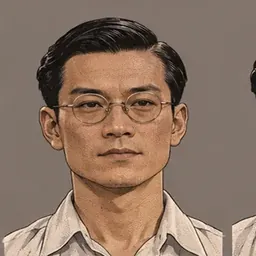
her father, a merchant without a firm
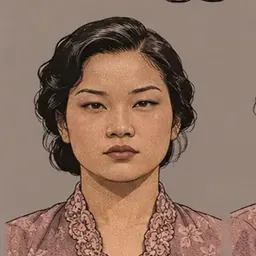
her mother
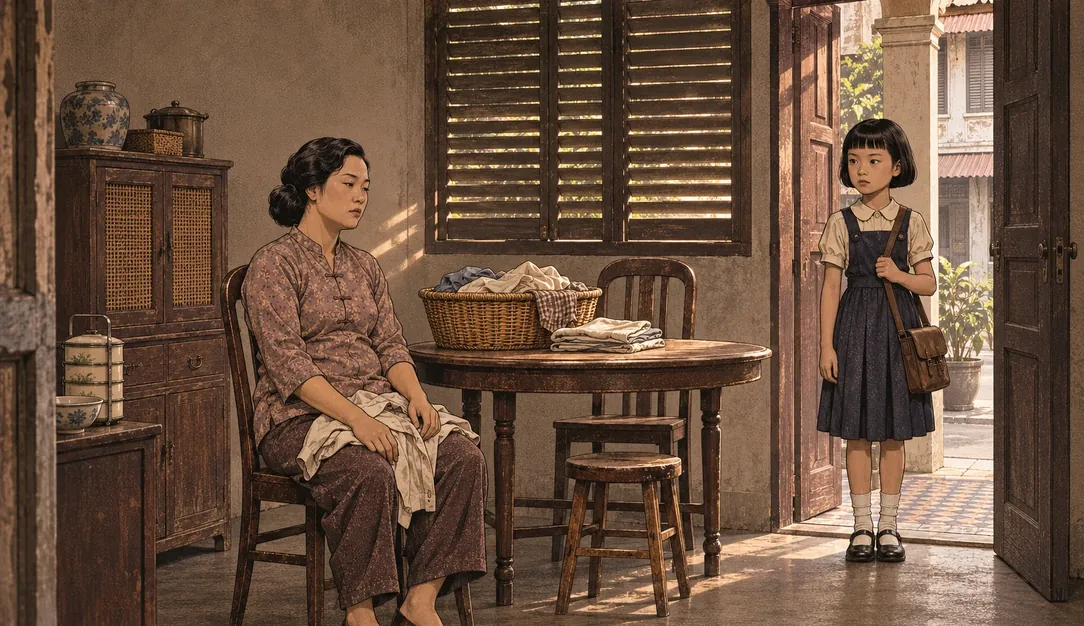
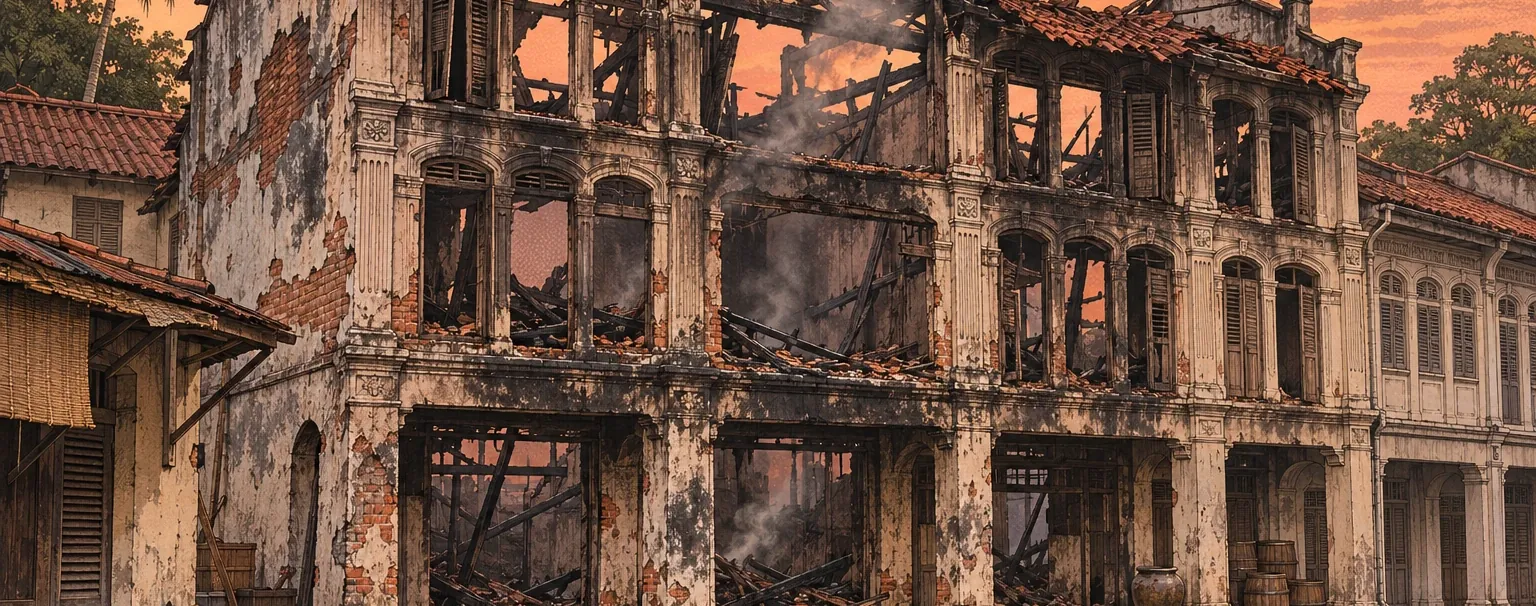
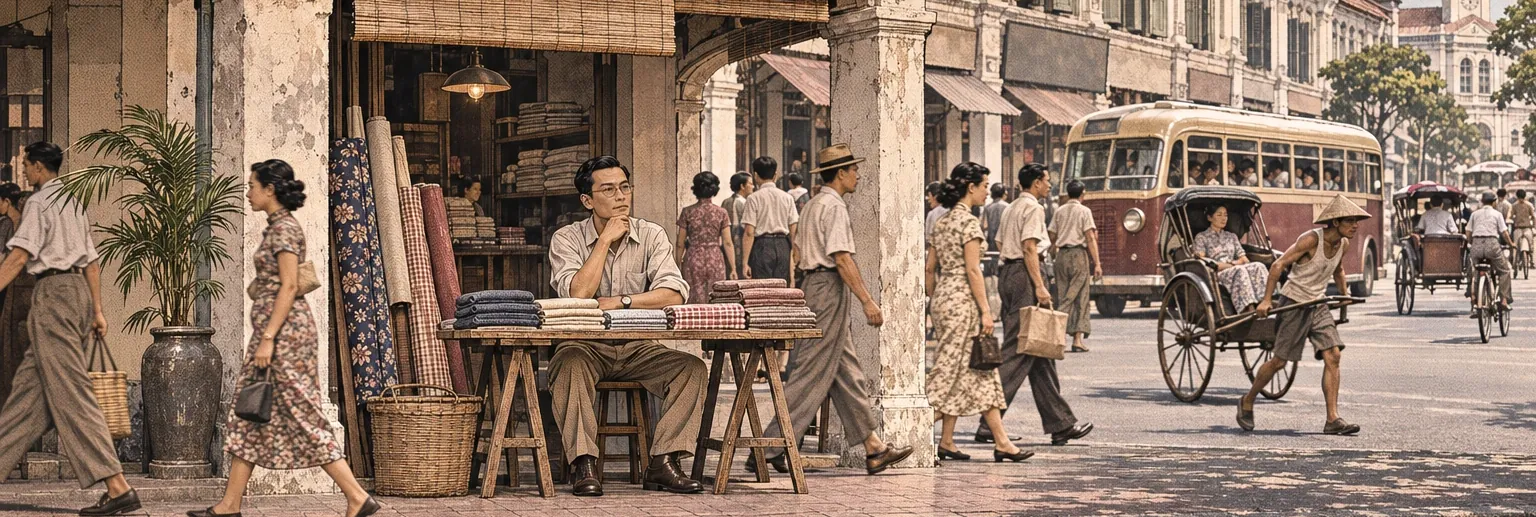
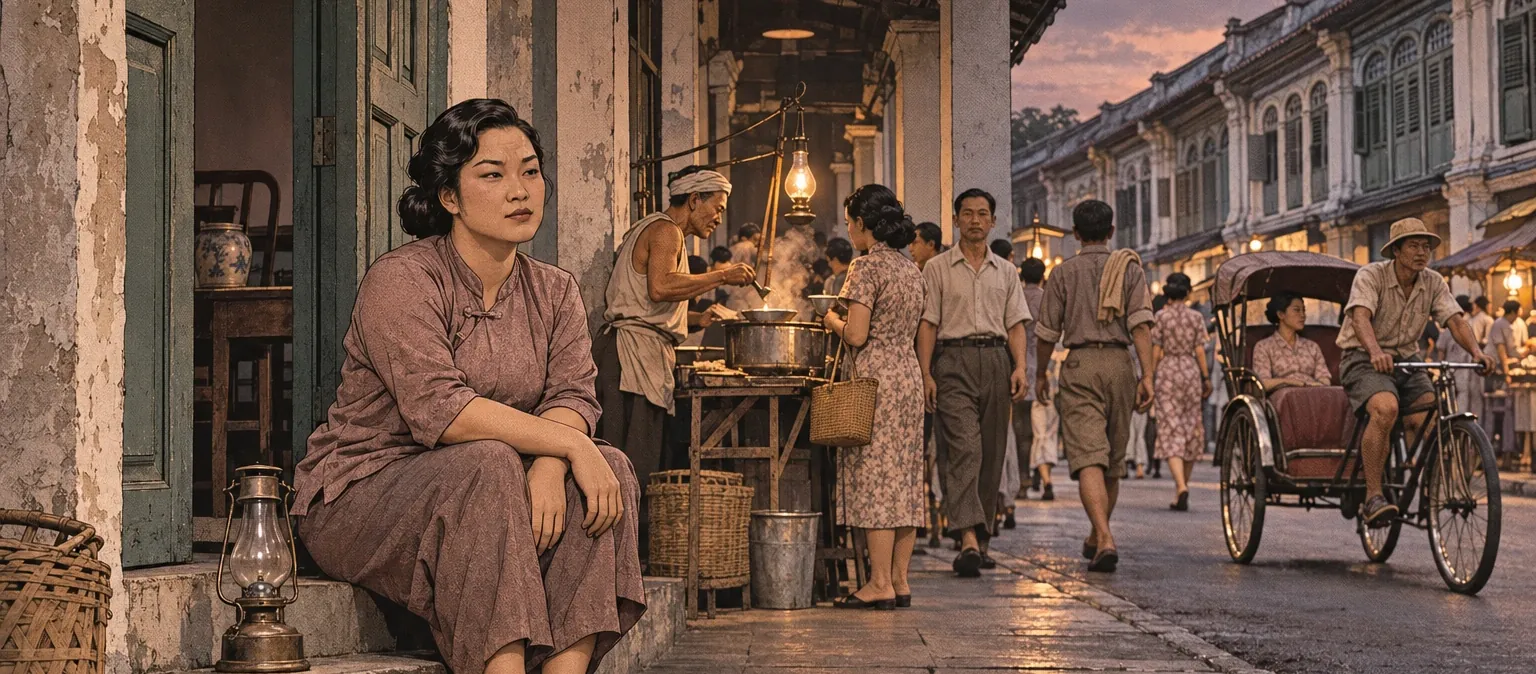
Singapore in 1949 is a Crown Colony in the second year of the Malayan Emergency. The Chinese Civil War ends in the mainland's fall to the Communists, and the People's Republic of China is proclaimed on 1 October; the Chinese community in Singapore is divided in its sympathies, and the colonial government watches Chinese-medium schools and associations closely.
Behind the dice How likely was each thing that happened? (Spoilers)
Nothing in The Dice Decides is chosen by a writer. Each person's year is a set of rolls, weighted by their stats and their times; the story is written afterwards to fit what the dice decided.
| Who | What the dice decided | Result | Chance |
|---|---|---|---|
| Tan Mei Lin | Her mother sits down in the middle of tasks; Mei Lin takes on the chores. | mother ill | 14% |
| Tan Mei Lin | The fire three streets away and the bucket line. | fire in street | 6% |
| Tan Mei Lin | She does well at the figures; someone behind her says show-off. | yes | 69% |
| Tan Cheng Huat | A third year of the table; the town grows around him. | no | 51% |
| Tan Cheng Huat | The old acquaintance: the matter is in hand. | no | 70% |
| Tan Cheng Huat | The trousers a hand's breadth too wide. | hunger weakness | 4% |
| Tan Mei Lin | An ordinary school year, the middle of her row. | quiet | 34% |
| Tan Mei Lin | No work for pay; chores of the house only. | none | 82% |
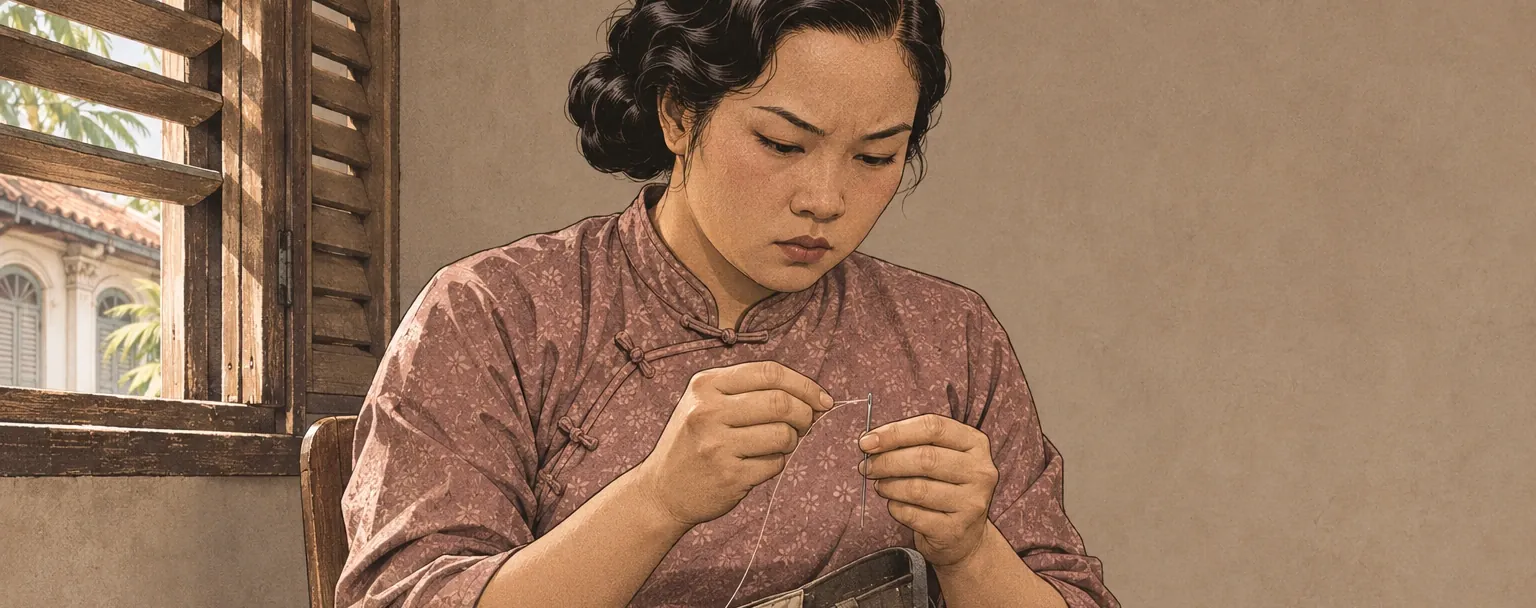
| Lim Swee Neo | A little sewing at the window when the light is good. | no | 72% |
| Tan Cheng Huat | The devaluation misses him; he writes it down as luck. | no | 86% |
| Lim Swee Neo | The front step at evening, the lamp unlit. | quiet | 27% |
| Tan Mei Lin | No serious illness for Mei Lin. | no | 98% |
| Tan Mei Lin | The devaluation does not squeeze the household. | no | 88% |
| Tan Mei Lin | Mei Lin survives the year. | no | over 99% |
| Tan Cheng Huat | No serious illness for Cheng Huat. | no | 95% |
| Tan Cheng Huat | Cheng Huat survives the year. | no | over 99% |
| Lim Swee Neo | No serious illness for Swee Neo. | no | 93% |
| Lim Swee Neo | Swee Neo survives the year. | no | over 99% |
Chances are the simulation's model assumptions, not historical statistics.
Show as a table
| Year | Household a month | Peer median | Multiple |
|---|---|---|---|
| 1941 | $504 | $42 | 12.0× |
| 1942 | $82 | $42 | 2.0× |
| 1943 | $148 | $42 | 3.5× |
| 1944 | $204 | $42 | 4.9× |
| 1945 | $815 | $120 | 6.8× |
| 1946 | $1,114 | $150 | 7.4× |
| 1947 | $1,094 | $155 | 7.1× |
| 1948 | $1,072 | $160 | 6.7× |
| 1949 | $1,051 | $165 | 6.4× |
Nominal dollars; the engine's model estimate, the same figure as each issue's money line.
The chapter in prose
1949: The Fire in the Next Block
In 1949 nine-year-old Mei Lin has an ordinary school year and takes on small chores at home while her mother is unwell. A fire burns out a crowded block nearby and the street turns out with buckets. Tan Cheng Huat's trade stalls for a third year, no credit comes for a proper firm, and the years of hunger leave him tired and thin. Lim Swee Neo sews little and the year passes quietly for her. Nobody in the family is seriously ill.
Small Chores
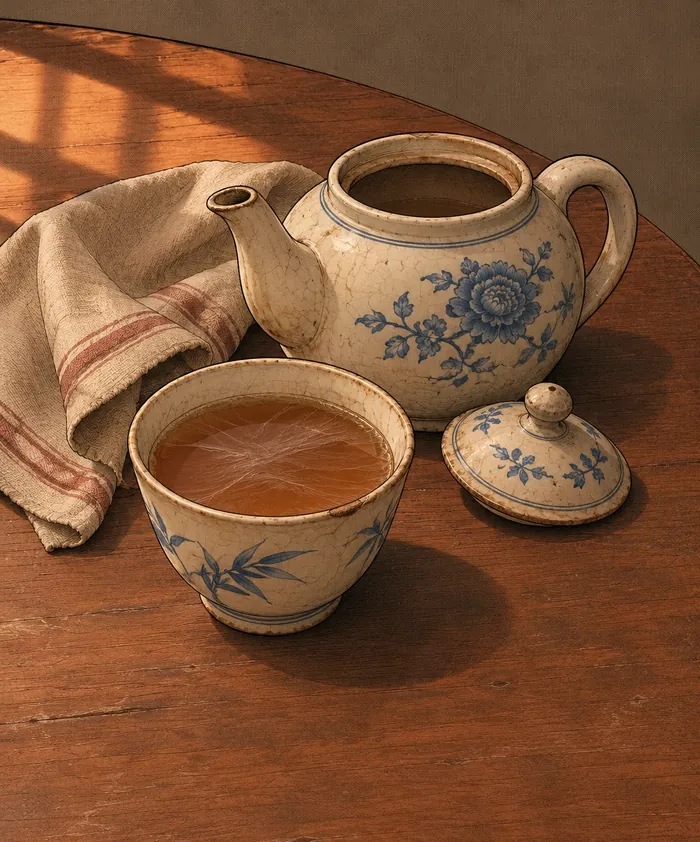
Her mother was not well for much of the year, in the unfocused way that was worse than being ill. She sat down in the middle of tasks. She had her tea cold. Some mornings she said she would lie down for a little while and was still lying down when Mei Lin came back from school.
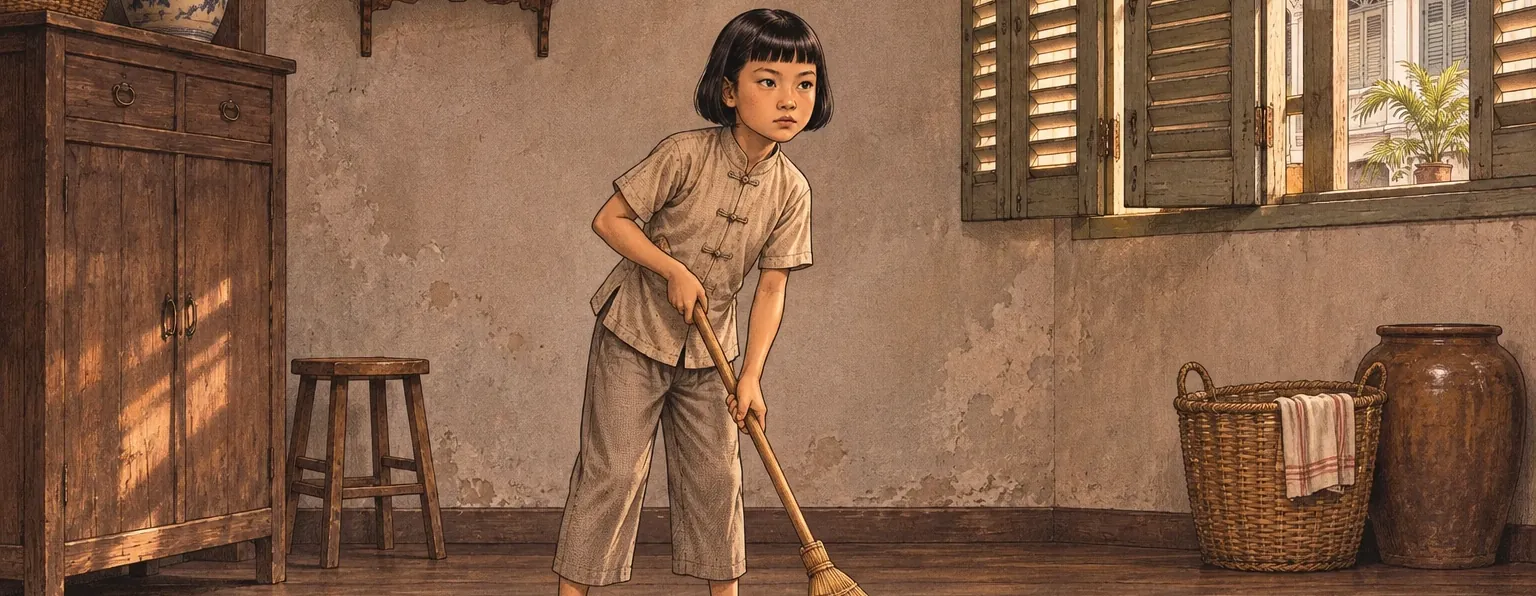
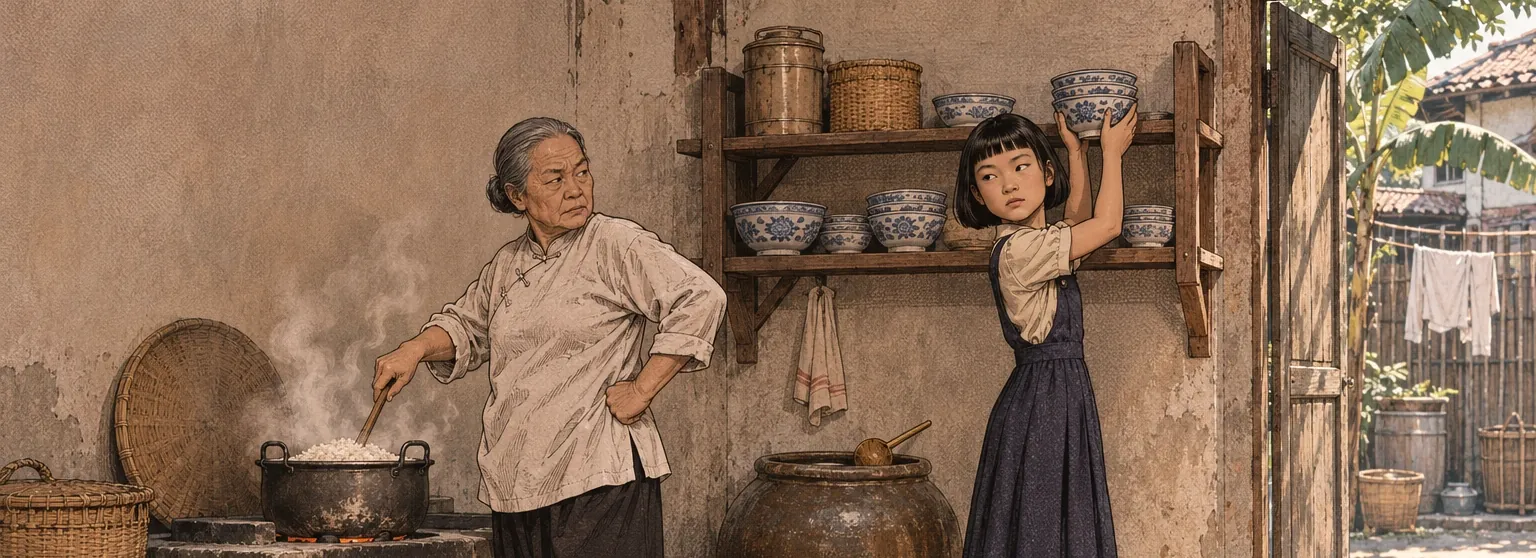
So Mei Lin took on what she could. She was nine. She swept the front room and set out the bowls. She learned to light the charcoal stove without burning her hand, and to tell by the colour of the rice water when the pot was done. The servant, who was older than anyone in the house and did not like being helped, let her do the bowls and kept the stove.
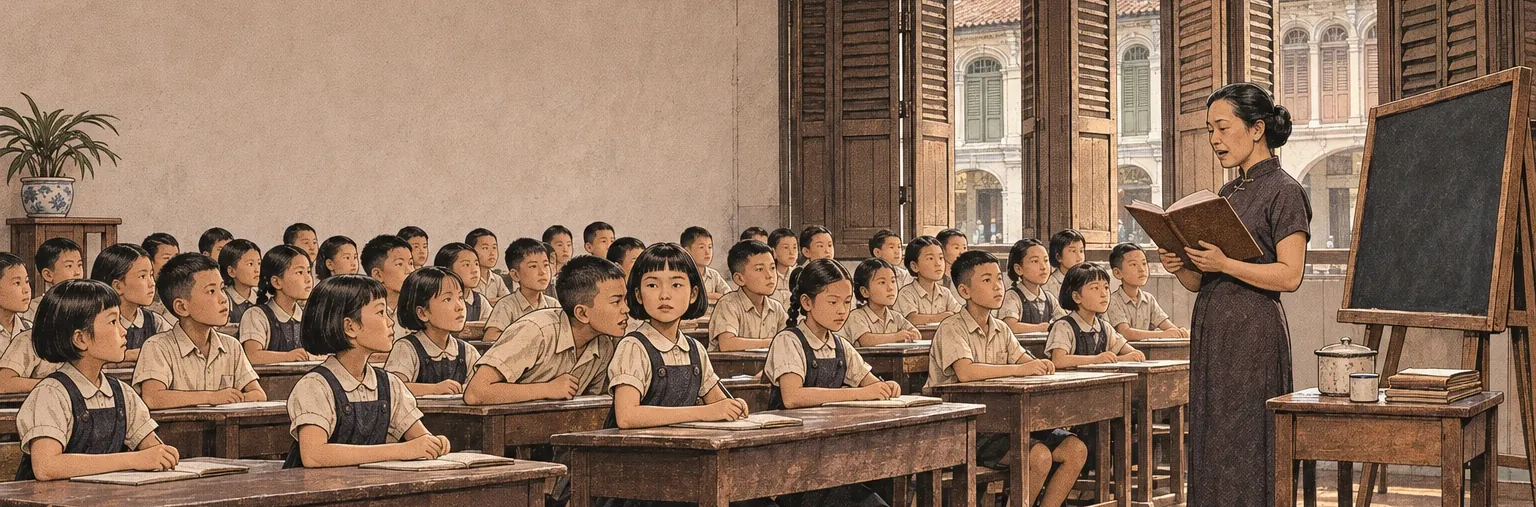
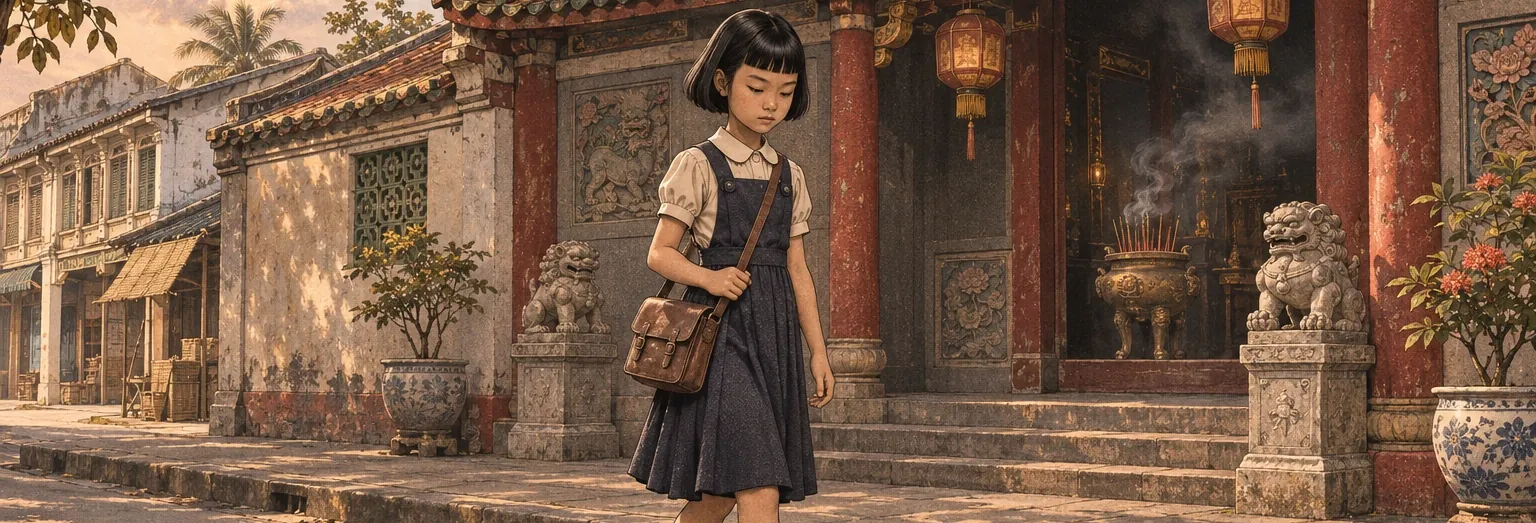
School was ordinary. She was in the middle of her row and nobody noticed her, which suited her. At the end of the second term the teacher read out the marks, and she had done well enough at the figures that someone behind her said "show-off," not quite quietly. She did not mind. She walked home the long way, past the temple, so that she could think about it.
She was not set to work for pay, or for the shop. Her chores were of the house and nobody paid her for them.
The Fire in the Next Block
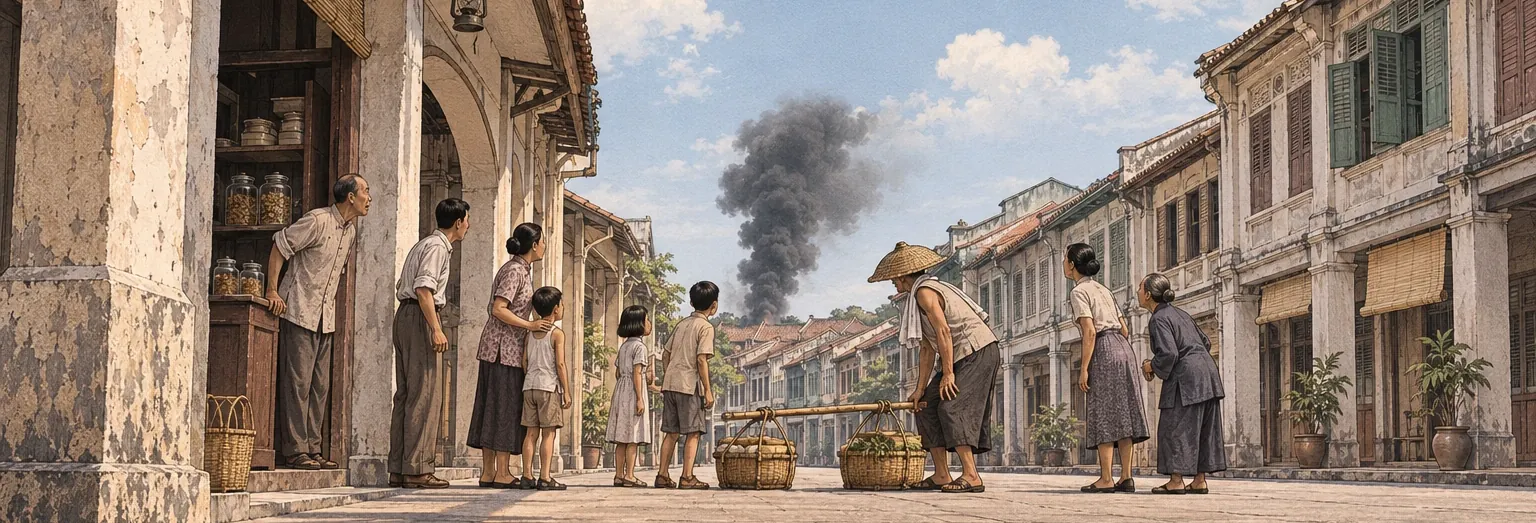
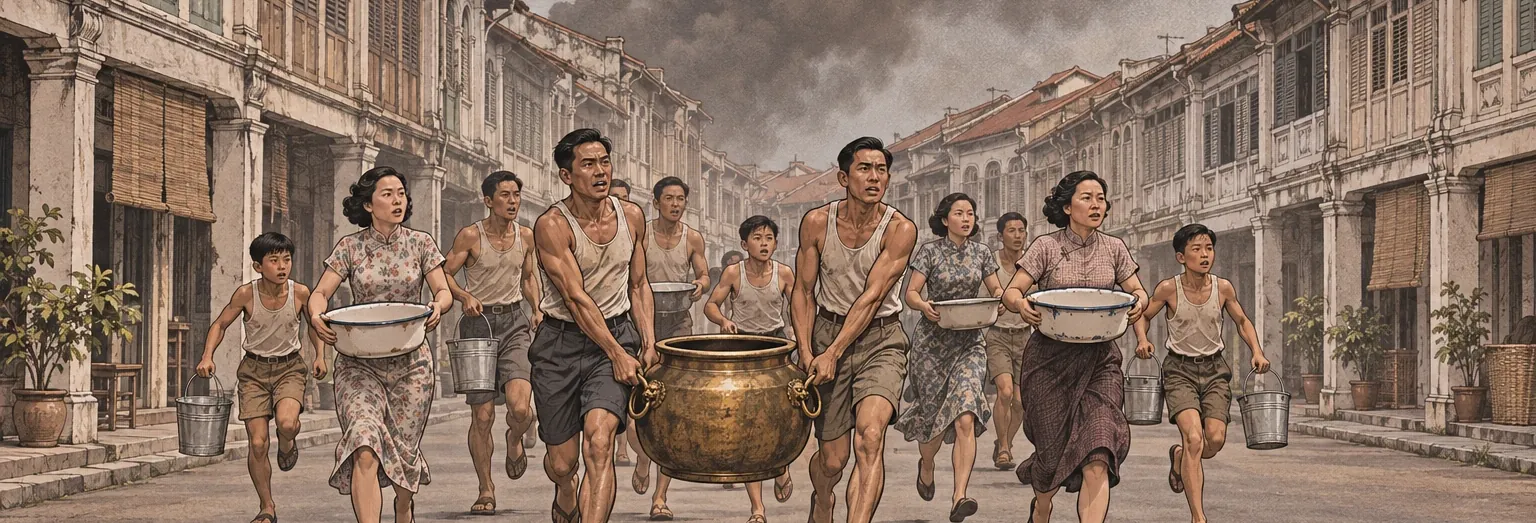
The fire began in the afternoon, in a block three streets away where eleven families lived in a building meant for four. By the time the bell sounded the smoke was a column over the roofs, and the whole of the street was out in the road with whatever would hold water: buckets, basins, the big brass pot from the temple.
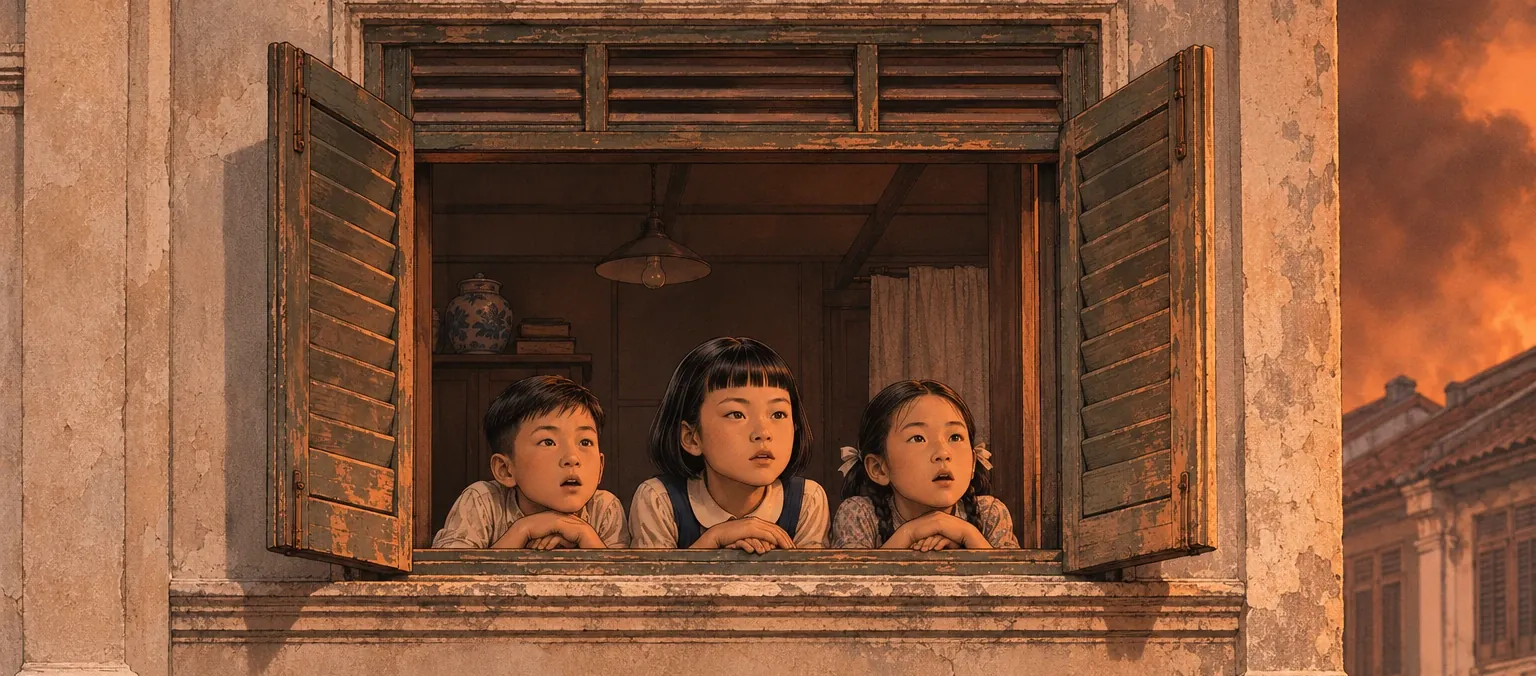
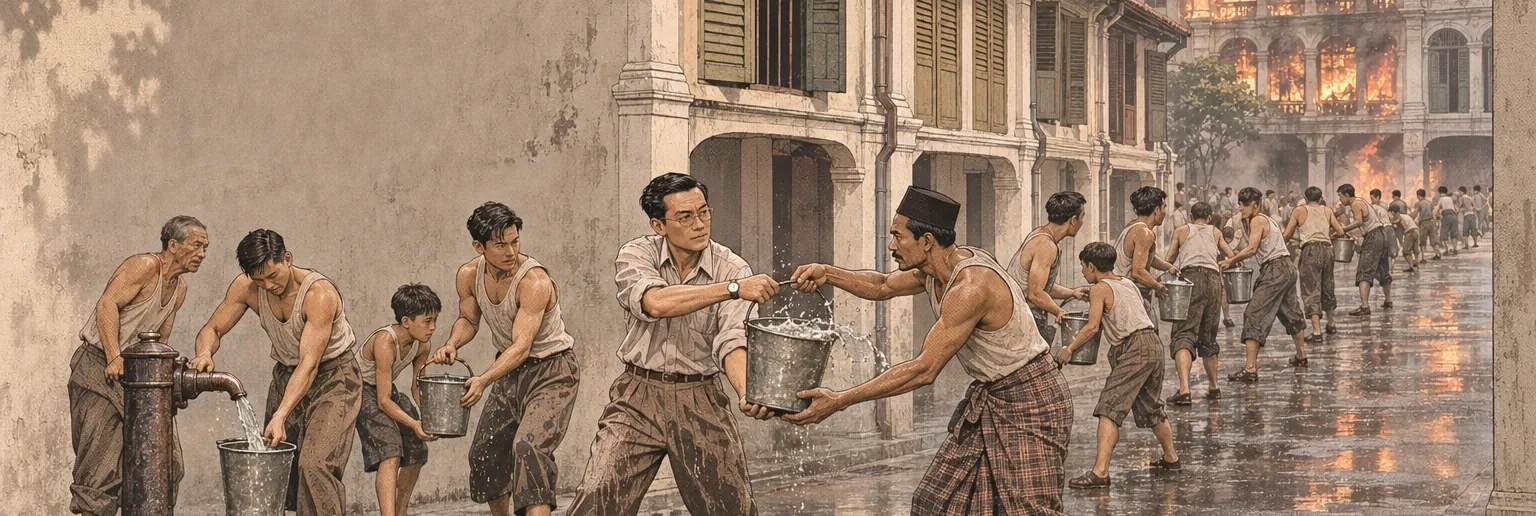
Mei Lin was sent to stay with the neighbours, and watched from their upstairs window, with the neighbours' children, as the line of men and boys passed the buckets from the standpipe and the flames went from yellow to white to a dull orange and then, finally, to smoke. Her father was in the line. She saw him from a long way off, his sleeves rolled, handing a bucket to a stranger.
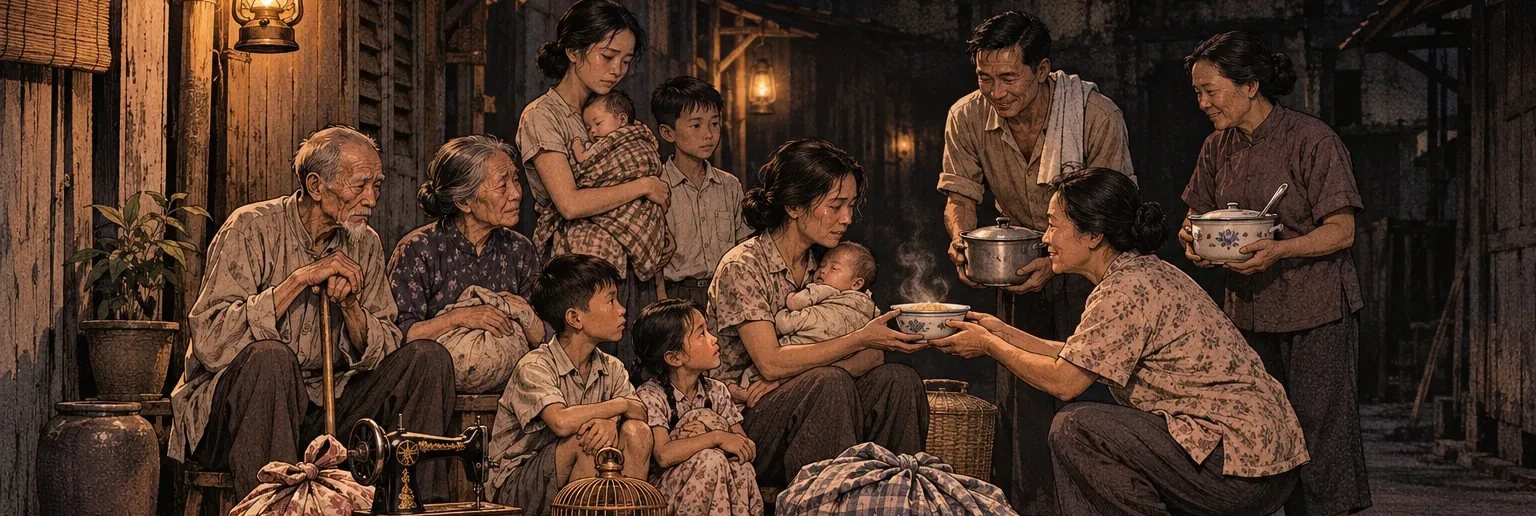
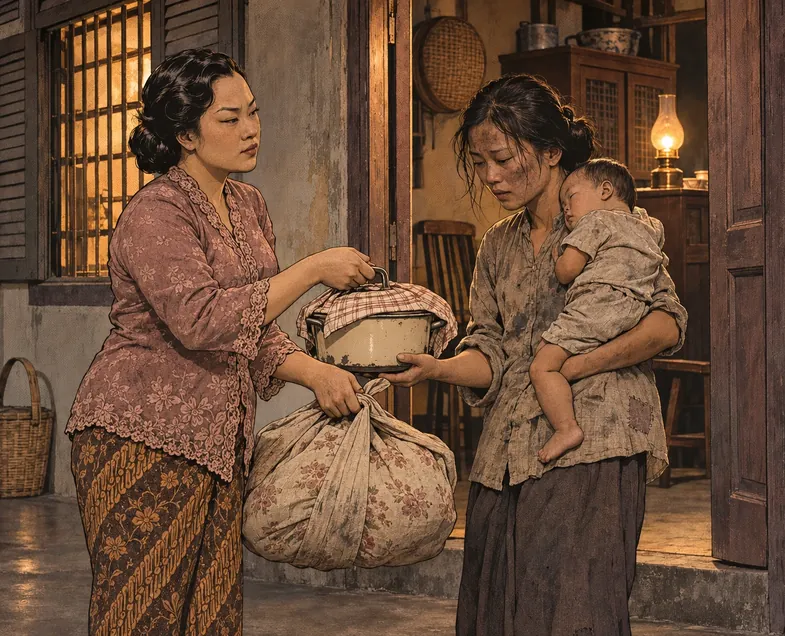
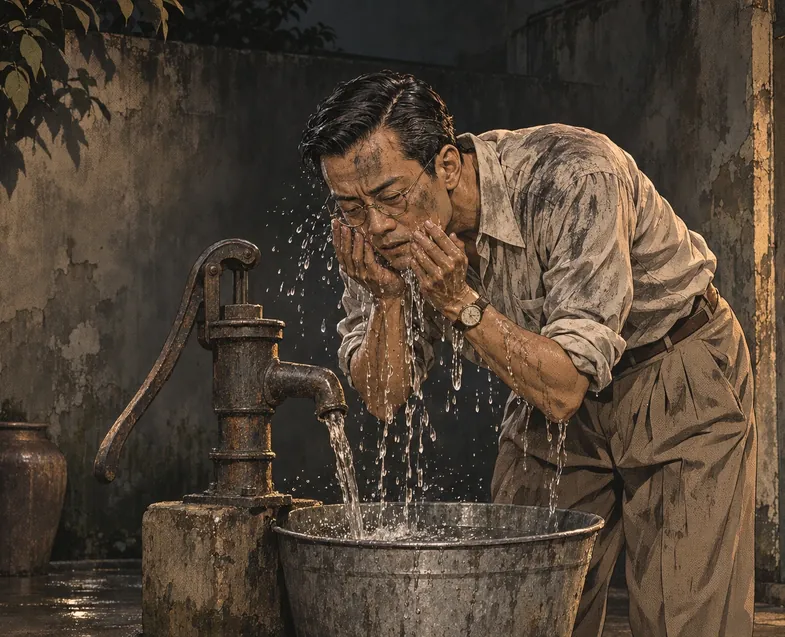
The fire did not reach the street. Nobody in the family was hurt. It took the block, and the eleven families, who stood at the end of the lane that night with what they had saved, and were fed by whoever could feed them. Her mother sent a pot of rice and a bundle of old bedding. Her father stayed out with the line until the last of it was out, and came home grey with ash, and washed at the pump in the yard in the dark.
Thin
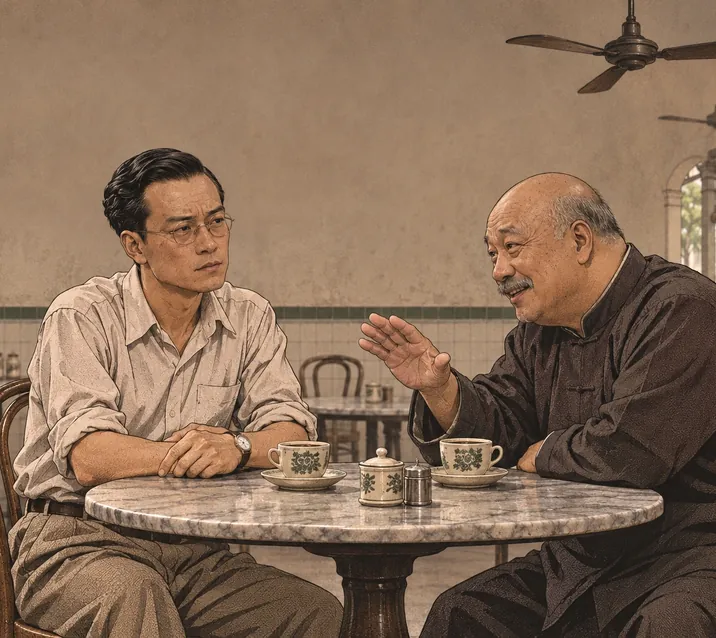
It was a third year of the table. Cheng Huat did what he had always done, and the town grew around him, and his trade stayed the size it was. He applied again for credit, in the spring, to a man he had known before the war, who said the matter was in hand. In the autumn the man said it was still in hand. In September the pound was devalued, and the price of every imported thing went up in the shops in a morning, but he held little on credit and the loss was not his. He wrote it in the book as luck, and was uneasy about writing it.
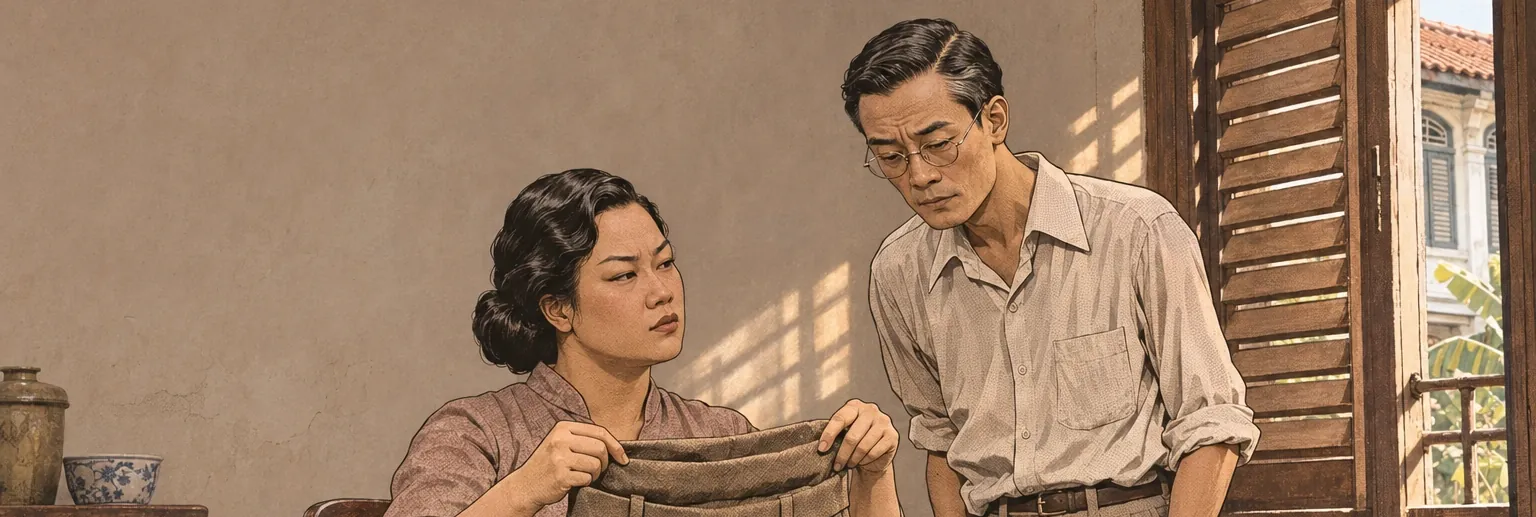
He was thinner that year. He did not mention it, and neither did she, until the day she took in a pair of trousers for him and found the waist a hand's breadth too wide. He said he had not been eating much in the heat. She looked at the trousers, and at him, and went on taking them in.
She herself was quiet that year, and not unhappy. She did a little sewing at the window when the light was good. The nights were easier. She had Mei Lin to see to. On the days when she was strong enough she sat on the front step in the evening with the lamp unlit and watched the street, which had learned to be loud again, and found it a comfort.
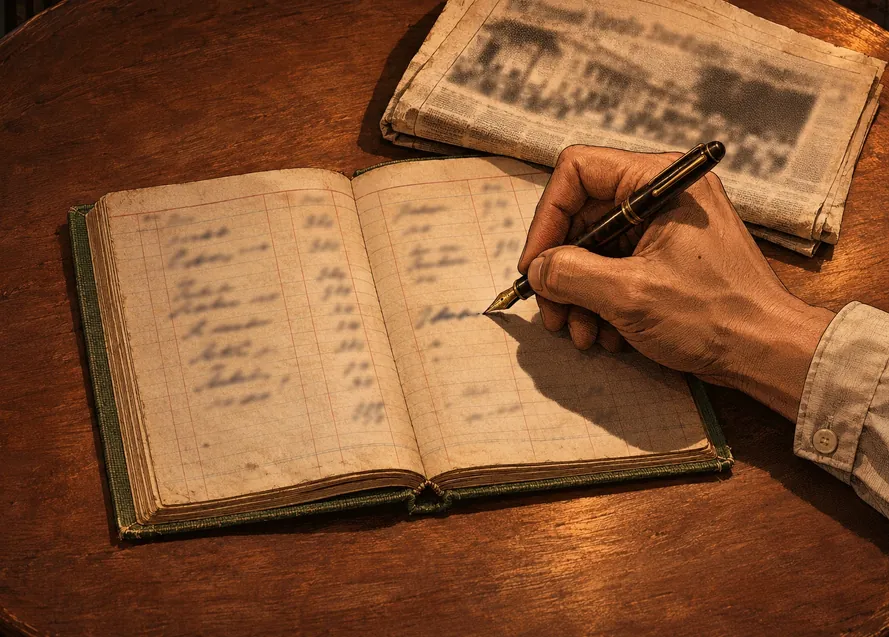
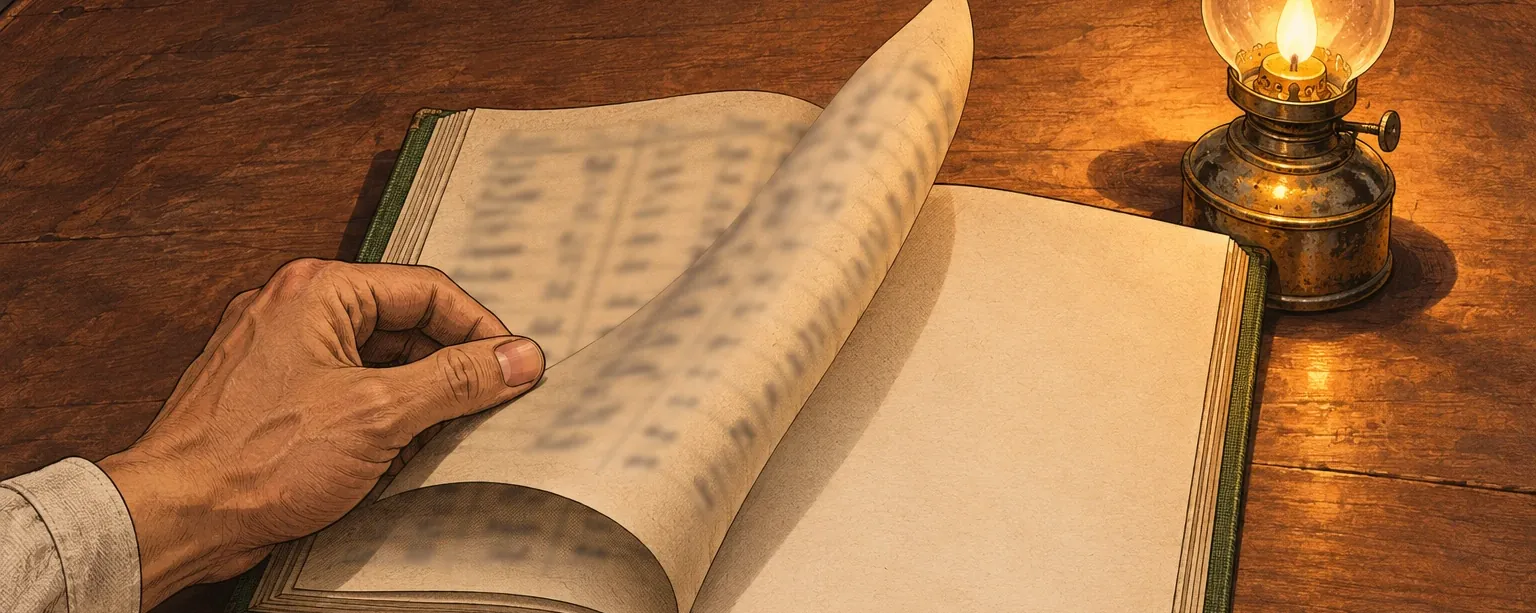
In December Cheng Huat counted the year's figures into the green ledger and did not draw a line beneath them; he turned the page and started a new one, as if the year were only an interval.